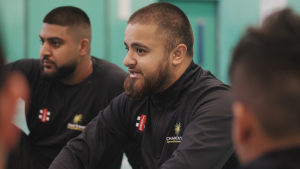
The Brent Young Adults Street Club has proved a valuable safe space for young refugees and asylum seekers to build a sense of community. Placed in an area grappling with the dual challenges of cultural integration and the cost of living, the club offers a sanctuary where young refugees, predominantly from Afghanistan, find solace and a sense of belonging through the universal language of sport and a shared love of cricket.
Understanding Street Clubs
Street clubs are grassroots initiatives that engage thousands of young people, aged eight to 24, in underserved areas through regular, year-round activities. Street cricket clubs, like the Brent Young Adults Club, provide a place for young individuals to access professional coaching and develop both their cricket and life skills while participating in informal matches. These sessions are completely free, accessible, and inclusive, offering a welcoming environment for all participants regardless of gender, age, or ability.
Operating in sports halls, youth clubs, parks, places of worship, and community centres throughout Britain, Street clubs require no special equipment to break down the cost barrier associated with traditional cricket clubs. This flexible approach ensures that everyone, regardless of background, has the opportunity to take part and enjoy the game. Notably, a significant portion of Street club players come from ethnically diverse backgrounds and economically disadvantaged areas, where youth inactivity is typically higher and access to opportunities to play sports may be limited.
A Cultural Connection Through Cricket
At the heart of the Brent Street Club is a profound understanding of the cultural significance of cricket to many of its participants. A key part of a successful Street club is to make sure coaches are firmly embedded and representative of the communities they work in. In Brent, Chance to Shine works in partnership with the Middlesex Cricket Foundation and a local community organisation ‘Young Roots’. At a session at the club, Laura, the youth development coordinator from Young Roots highlighted the importance of cricket in fostering a sense of community and continuity for these young individuals. She told us, “I think it’s a strong part of their cultural identity to play cricket. So it’s nice for them to come together with other people, make friends, talk in their own language, and do something that reminds them of home.” Highlighting how a shared activity can play a pivotal role in building friendships and community for young people, she said “Community building is really important for people who don’t have family in the UK, which is most of the people we work with.”
One of the remarkable aspects of the Brent Street Club is its inclusive approach to language and communication. Sajeewa, who coaches at the club and speaks both Hindi and English, plays a crucial role in bridging language barriers. “Some participants speak Hindi,” he explained. “I either talk to them in broken English or talk to those who can speak Hindi, and they will translate to the other person.” It’s clear when watching him interact with players that this adaptability not only facilitates better communication but has strengthened the bonds that Sajeewa has built in the club between players and staff.
Sessions at the club are more than just a sports practice; they are a vital escape from the realities of life as a young refugee in Britain. Sajeewa shared his perspective: “To be honest, I’m not very familiar with their backgrounds and what they do at home. But what I know is when they come here, they always have a good time. We don’t interfere much. We just let them play how they want to play and we just join in with them.” This unobtrusive approach allows the participants to freely express themselves and enjoy the game on their terms. He adds “I think every week [when] they come back, they are all eager to play. I think whatever happens at home, it feels like they leave that behind, come here, have a good time, and escape from whatever struggles they have.”
The role of the Street coach extends far beyond cricket expertise, it’s about being a positive role model and mentor. Sajeewa tells us “I think more than just coaching, it’s like being someone of character so they can look up to. I feel like when it comes to language, I can talk to them a bit better than a few others. So this just helps me to bond with them a bit better. I think it’s just creating that safe environment for them and at the same time having some fun.” This emphasis on creating a safe, supportive environment is a crucial part of every Chance to Shine Street club, but especially important for young refugees who often face uncertainty and isolation. For many players, the skills and confidence gained club will hopefully open doors to further opportunities in cricket and beyond. Street cricket’s inclusive and supportive environment is there to help bridge the gap between their past and future, offering a lifeline of hope and possibility.